Back Pain
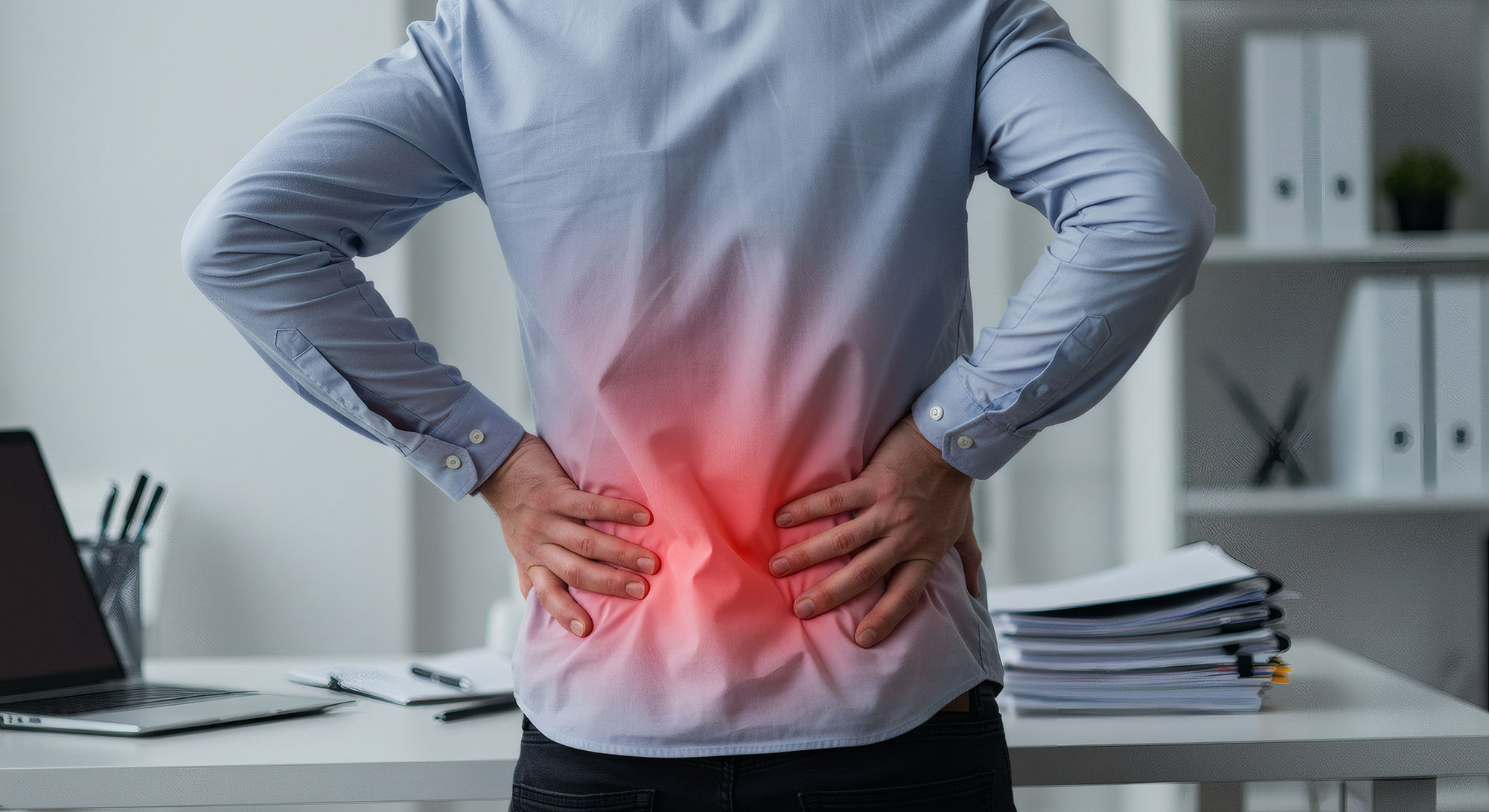
Whether it is in your lower or mid-back, most people will experience some degree of back pain at some point in their lives. In fact, an estimated 32 million Americans are dealing with back pain right now. It has become the leading cause of disability in the United States and continues to affect millions daily.
Understanding what causes lower back pain, how to prevent it, and which treatments can help is the first step toward lasting relief and better mobility.
If you have any questions about our Breaux Bridge LA, Lafayette LA, or Youngsville LA locations, or would like to learn more about chiropractic care, our team at Hargrave Chiropractic is here to help.
Understanding Your Lower Back
Your lumbar spine, or low back, is made up of five bones stacked on top of each other with a shock-absorbing disc between each level. Your low back depends on muscles and ligaments for strength and support. Sprains and strains occur when these tissues are stretched or pulled beyond their normal range, similar to a rope that begins to fray when it is overstretched.
The term sprain refers to an injury of the tough ligaments that connect and stabilize your bones, while a strain involves a partial tear of the muscles or tendons that move your trunk.
Causes of Back Sprains and Strains
Most people experience low back pain at some point in their lives, and about 70% of these cases can be linked to sprain or strain injuries. Lumbar sprains and strains may result from sudden or forceful movements such as a fall, twist, lift, push, pull, direct impact, or standing up quickly from a seated, crouched, or bent position. In many cases, these injuries do not come from a single event but develop gradually from repeated stress and overuse.
The spine can usually tolerate occasional stress, but repetitive strain can lead to injury in the same way that bending a piece of copper wire over and over eventually causes it to break. Common contributing factors include poor posture, prolonged sitting, improper workstation setup, repetitive movements, incorrect lifting techniques, and excess body weight.
Symptoms of Sprains and Strains
Signs of a sprain or strain may appear suddenly, though they more often develop gradually. Symptoms can range from a mild ache to severe pain that becomes sharper with movement. Rest may help reduce discomfort but often results in stiffness.
The pain is typically focused in the lower back but may extend toward the hips or thighs. You should inform your doctor if the pain travels below your knee, if you experience weakness in your legs, or if you develop a fever.
Results of Sprains and Strains
Sprain and strain injuries cause your body’s normal, healthy, elastic tissue to be replaced with less flexible scar tissue. This process can lead to ongoing pain and may increase the risk of developing arthritis over time. Patients who choose to ignore their symptoms or “just deal with it” experience lasting low back pain in more than 60% of cases. Seeking early and proper treatment, like the care provided in our office, is essential for recovery and long-term relief.
Getting Over Back Pain
Depending on the severity of your injury, you may need to limit movement temporarily, especially bending, twisting, or lifting motions that cause discomfort. However, extended bed rest is not recommended. Staying active and gradually returning to normal activities as your symptoms improve is important for recovery.
Short-term use of a lumbar support belt may provide relief. Sitting for long periods can make your back more vulnerable to sprains and strains from sudden or unexpected movements, so it is helpful to take brief “micro-breaks” from your workstation for about 10 seconds every 20 minutes. After an acute injury, applying ice for 15–20 minutes each hour can help reduce inflammation. Heat may be useful after a few days or for ongoing pain. Ask your doctor for specific recommendations on when to use ice or heat. Some patients also find partial relief from sports creams or topical pain products.
Composition of the Midback
Your spine is composed of 24 bones stacked on top of one another, with soft discs between each segment that provide cushioning and flexibility. Each joint in the spine is designed to move freely and independently. To visualize this, imagine a healthy spine working like a large spring that bends and moves smoothly in every direction. When a joint becomes restricted, it is similar to having a portion of that spring welded together. The spine can still move as a whole, but part of it no longer functions the way it should.
Understanding Joint Restrictions
Joint restrictions can develop in several ways. They may result from an accident or injury, or from repeated strain and poor posture over time. Factors such as excess weight, smoking, demanding physical work, and emotional stress can increase your susceptibility to these issues.
Restricted joints create a cycle of pain and dysfunction. When a joint becomes limited in movement, it can lead to swelling and inflammation, which in turn cause muscles to tighten and further restrict motion. Because your spine functions as a connected system rather than isolated segments, a restriction in one area often leads to compensatory problems elsewhere. Imagine a rowboat with several rowers on each side—when one rower stops, the others must work harder, eventually leading to fatigue and imbalance.
Causes of Joint Restrictions
Joint restrictions commonly cause localized tenderness and pain. You may notice a reduced range of motion, and certain movements can make the discomfort worse. Pain from a restricted joint may radiate around your rib cage or travel up and down your spine. It is important to inform your chiropractor if you experience symptoms such as chest pain, shortness of breath, persistent coughing, indigestion, or flu-like feelings.
When joint restrictions are left untreated, they can lead to long-term problems such as arthritis, similar to how a misaligned car wheel causes uneven tire wear over time.
Treating Midback Pain
Midback pain is a common and manageable condition. Chiropractic care is one of the safest and most effective ways to address joint restrictions and restore healthy movement. Our office offers a variety of techniques to help relieve pain and improve function.
To support your recovery, avoid activities or exercises that make your pain worse and take frequent breaks if you sit for long periods. Gentle stretching and mindful movement can help reduce stiffness. Yoga has also been shown to benefit those with back discomfort, so consider joining a local class or following an online program.